

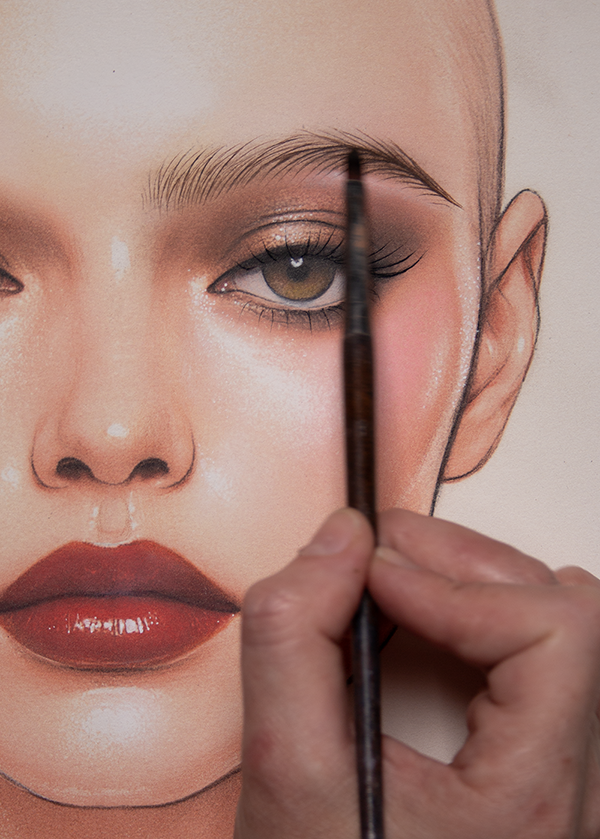
Before I ever picked up a PMU machine, I was already drawing every day. Faces, eyes, and especially eyebrows. When I started permanent makeup, hairstrokes felt natural from day one.
My very first practice pieces surprised even my teacher. Not because of talent, but because my hand already understood pressure, direction, rhythm, and balance. That foundation came from paper.
WHY PAPER COMES BEFORE MACHINE
In PMU, most beginners start with the machine. I believe that’s backwards.
Paper teaches line confidence without fear
You learn stroke flow before depth becomes a factor
Mistakes are visible and repeatable
Your hand develops muscle memory, not panic
You focus on design, not just execution
WHAT PAPER PRACTICE ACTUALLY TRAINS
Stroke direction and taper
Pressure control without vibration
Spacing and density
Symmetry between brows
Natural growth patterns
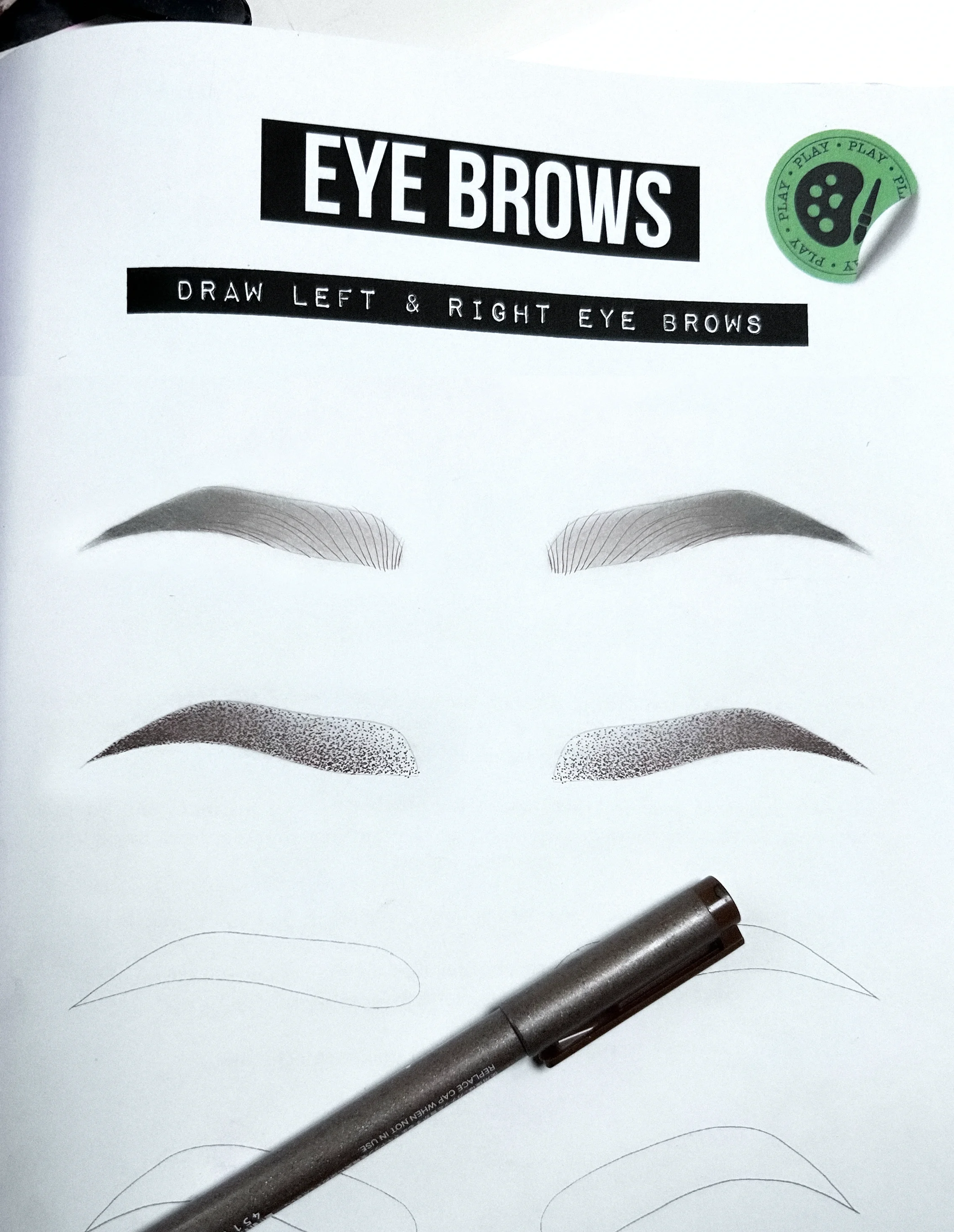
When you later switch to a machine, your hand already knows what to do. You’re only adding vibration, not learning from zero.
MY EXPERIENCE MOVING FROM PAPER TO PMU
When I transitioned to PMU training, hairstrokes didn’t feel foreign. They felt familiar.
The movement, the rhythm, the flow. It was the same language, just a different tool. That’s why my first practice skins looked advanced. Not because I skipped steps, but because I respected the right order.
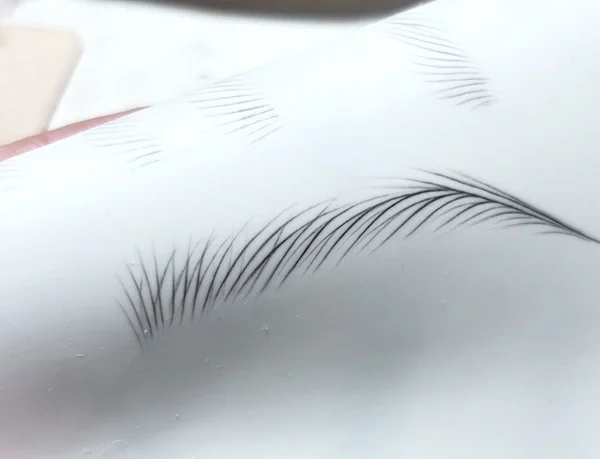
One Common Mistake in PMU Training
A common mistake I see is rushing to the machine without first training the hand. This often leads to shaky strokes, inconsistent depth, and avoidable frustration.
Paper doesn’t replace machine practice. It prepares you for it.
From Paper Practice to PMU Technique
Paper practice is where control, rhythm, and confidence begin. In future posts, I’ll share how this foundation translates to fake skin practice and eventually to working with a PMU machine.
If you’re interested in eyebrow practice, brow design, and developing hand control before touching a machine, you may also find my face chart resources useful.
Explore Face Chart Practice Resources →
PMU Practice & Training Articles